Curiousity: A Full-Color Font That Brings Summer Energy to Your Designs
There's something immediately striking about a font that arrives in full color. Not black, not gray—an actual palette baked right into the letterforms. Curiousity is exactly that kind of typeface: a creative, crafty display font drenched in a warm, summer-inspired color scheme that practically radiates energy off the screen. If you've ever struggled to make headlines pop or wanted your branding to feel more vibrant without layering effects in post-production, this font solves that problem in a surprisingly elegant way.
What Makes Curiousity Visually Different
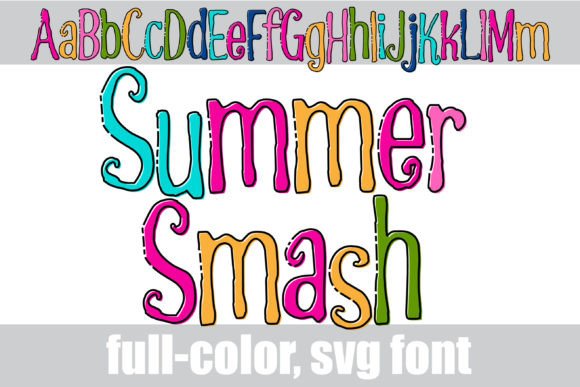
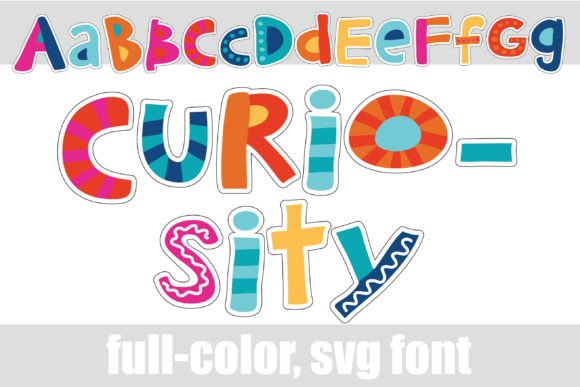
Most fonts you download are monochrome by default. You pick a color in your design software, and that's what you get. Curiousity flips that expectation. As an OpenType full-color SVG font, it carries its own color information directly within the letter shapes. Each character arrives painted in a curated summer palette—think warm oranges, coral pinks, sunny yellows, and pops of teal. The result is a typeface that looks handcrafted and layered, almost like it was painted or assembled from colorful materials.
The design style leans into a playful, craft-inspired aesthetic. It's not rigid or corporate. The letterforms have personality—slightly irregular edges, creative flourishes, and a handmade quality that makes text feel approachable and fun. This isn't the font you'd use for a legal contract, but it's absolutely the one you'd reach for when a project needs warmth, character, and visual punch.
There's also an alternate case included with additional color variations. You can access these through your system's character map or via Silhouette Studio's glyph map, giving you more creative flexibility when you want to mix things up or create visual hierarchy within a single design.
Where This Creative Font Truly Shines
Curiousity is a display font at its core, which means it's built for impact rather than body text. Think titles, headers, hero sections, and anywhere you need words to command attention. Here's where it fits naturally into real projects:
- Branding and logo design — For businesses with a playful, youthful, or lifestyle-oriented identity, this font sets an immediate tone. A bakery, a summer camp, a kids' clothing line, a beachside café—any brand that wants to feel warm and inviting can use Curiousity as part of its visual identity.
- Social media graphics — Instagram stories, Pinterest pins, TikTok overlays, and Facebook ads all benefit from bold, colorful typography. Since the color is built into the font itself, you save time on styling and get consistent results across posts.
- Packaging design — Product labels, box art, and hang tags for handmade goods or seasonal products gain an artisan quality with this typeface. It communicates craft and care without feeling amateurish.
- Posters and event materials — Summer festivals, pool parties, sale announcements, and promotional posters are natural fits. The font does the heavy lifting visually, so you can keep surrounding design elements minimal.
- Invitations and editorial layouts — Party invitations, magazine headers, blog post titles, and newsletter banners all benefit from a font that brings its own color story.
- Merchandise and digital products — T-shirt designs, mug graphics, printable wall art, and digital planners can all incorporate Curiousity for a distinctive look that stands out in crowded marketplaces.
- Websites and blogs — Used sparingly for section headers or hero text, this font adds personality to web design without overwhelming the overall layout.
Working With a Full-Color SVG Font
Installing Curiousity works just like any standard .otf font. On Mac, you'll use FontBook. On Windows, your preferred font manager or the Control Panel handles installation. Once installed, it appears in your font menus like any other typeface.
There's one important thing to understand about color fonts, though: they won't appear in color everywhere. In programs that don't support full-color SVG fonts, Curiousity will render as black. Even in compatible programs, the font preview window often shows it in black. The real test is typing directly onto your canvas—if you see color, your software supports it.
Programs that currently support full-color SVG fonts include Adobe Illustrator, Adobe Photoshop, Silhouette Studio, QuarkXPress, and Inkscape, among others. If you're working in one of these environments, you'll get the full colorful experience right away.
This compatibility consideration matters when you're planning a project. If you're designing something that will be opened by clients or collaborators in unsupported software, the font will lose its color. For print-ready PDFs or flattened image exports, this isn't an issue—the color is preserved in the final output. But for editable files shared between team members, it's worth confirming everyone's software can handle it.
Pairing Curiousity With Other Typefaces
A display font this expressive works best when balanced with something more restrained. Pairing typography is about contrast and hierarchy, and Curiousity practically begs for a clean companion.
A simple sans serif font makes an excellent partner for body text. Something like a modern geometric sans or a humanist sans serif keeps things readable while letting Curiousity own the spotlight in headlines. If your project leans more editorial, a classic serif font for body copy creates an interesting tension between traditional and playful.
Avoid pairing it with other decorative or handwritten fonts—that combination tends to feel chaotic rather than intentional. The goal is to let one font lead and the other support. Curiousity should be the star of the show, with its partner playing a quiet, dependable supporting role.
Test your pairings in context. Set a mock headline with Curiousity, then place actual body copy beneath it using your chosen companion font. Look at the overall composition on screen and in print. Does the hierarchy feel clear? Does the eye flow naturally from headline to body? If something feels off, try adjusting size, spacing, or weight before swapping fonts entirely.
Practical Considerations for Professional Use
Before incorporating Curiousity into client work or commercial projects, review the licensing terms that come with your purchase. Most premium fonts include a license that covers specific use cases—personal projects, commercial work, or both. Some licenses limit the number of devices or users. Others have restrictions on embedding in digital products for resale. Understanding these terms upfront prevents headaches later.
Think about readability in context. A crafty, colorful display font works beautifully at large sizes—poster headlines, social media graphics, logo lockups. At smaller sizes, the intricate details and color variations can become muddy or hard to read. Use Curiousity where it has room to breathe, and choose a simpler typeface for anything under 24 points.
Consider your audience and project goals carefully. A children's educational brand, a summer music festival, or a handmade soap company might find this font perfectly aligned with their personality. A law firm, a fintech startup, or a medical practice probably won't. Typography should reinforce your message, not fight against it. The best font choice is always the one that serves the project's communication goals, not just the designer's personal taste.
Adding Personality Without Sacrificing Professionalism
One of the biggest challenges in design is standing out while still looking polished. Curiousity threads that needle well. Its built-in color palette feels intentional and curated rather than random. The craft-inspired letterforms suggest creativity and care. Used thoughtfully, this typeface communicates that a brand or project values personality and attention to detail.
For small business owners and entrepreneurs building a brand from scratch, typography choices carry more weight than many realize. The fonts you use become part of your visual identity—they shape how people perceive your business before they read a single word. A creative font like Curiousity, used consistently across social media, packaging, and marketing materials, builds recognition and reinforces brand personality over time.
For designers and content creators, having a full-color SVG font in your toolkit opens up creative possibilities that monochrome fonts simply can't match. It reduces the need for additional graphic elements, speeds up production for colorful projects, and offers a distinctive aesthetic that's hard to replicate with standard typography.
The key is restraint. Use Curiousity where it matters most—in the moments where you need to grab attention, set a mood, or make a statement. Let it do what it does best, and build the rest of your design around its strengths.