Playful Branding with Paperclipped Primary: A Designer's Guide
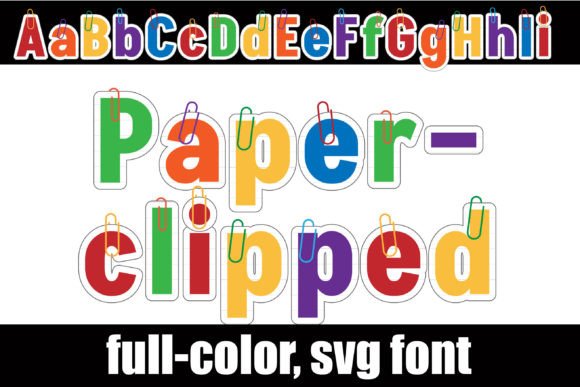
There are moments in design when you need more than just a typeface; you need a character. A font that doesn't just say words, but adds a playful, tactile element to the message. This is where Paperclipped Primary shines, offering a unique blend of structured, blocky sans-serif form and whimsical, integrated paperclip details. It's a design asset that immediately injects personality, making it a go-to for projects that aim to be friendly, approachable, and memorable. Unlike standard fonts, its built-in graphic elements reduce the need for additional clip art, streamlining the creative process for busy designers and entrepreneurs.
More Than Just Letters: Understanding the Visual Appeal
At its core, Paperclipped Primary is a full-color SVG font, a modern typeface technology that allows for intricate designs, gradients, and multiple colors within a single glyph. The primary style presents a sturdy, blocky sans-serif foundation, but each character is adorned with cleverly placed paperclips, creating a cohesive and thematic look. What truly sets it apart is the inclusion of an alternate case filled with additional colors. By switching between the uppercase and lowercase keys in a compatible program, you can access a vibrant palette, allowing you to customize the color scheme to match your brand or project aesthetic perfectly. This feature transforms it from a simple display font into a versatile creative font system.
However, it's crucial to understand its technical behavior. As an OpenType full-color font, its colorful nature is only visible in programs that support this technology, such as Adobe products, Silhouette Studio, Quark, and Inkscape. In non-compatible software, the font will render as a solid black, losing its decorative flair. Even in compatible programs, the preview pane might show it in black; the colors will only appear once you begin typing on your document canvas. This isn't a flaw, but a characteristic of how SVG fonts operate, making compatibility checks a vital step in your workflow.
Where Paperclipped Primary Excels: Practical Applications
This font's unique personality makes it exceptionally well-suited for specific design contexts where a touch of handcrafted charm is desired. Think beyond standard body copy; this is a typeface for headlines, logos, and focal points.
- Branding & Logo Design: For brands targeting a younger demographic, or those in the crafting, stationery, education, or organizational sectors, this font can become a core part of the brand identity. A logo using Paperclipped Primary instantly communicates approachability and creativity.
- Packaging & Merchandise: Product labels, hang tags, and packaging for DIY kits, art supplies, or children's products benefit immensely. The playful aesthetic can increase shelf appeal and make the product feel more engaging. It's also perfect for merchandise like tote bags or t-shirts.
- Print & Editorial Layouts: Use it for chapter headings in a craft book, pull quotes in a magazine, or the title of an event poster. It adds a dynamic element to editorial design without overwhelming the accompanying body text.
- Digital & Social Media: Create eye-catching social media graphics, YouTube thumbnails, or blog post headers that stop the scroll. Its inherent visual interest is perfect for the fast-paced digital environment. For web design, use it sparingly for key call-to-action buttons or feature titles to inject personality.
- Invitations & Greeting Cards: Ideal for invitations to workshops, kids' parties, or creative events. The font itself becomes part of the decorative theme.
Integrating a Thematic Font into Your Design Toolkit
Adopting a specialized font like this requires a thoughtful approach to ensure it enhances rather than disrupts your visual consistency. The key is balance. Because Paperclipped Primary is highly decorative, it pairs best with clean, simple companion fonts. A classic serif or a neutral sans-serif for body text will provide a calm counterpoint, allowing the display font to command attention without creating visual chaos.
Always consider readability. This font is designed for impact at larger sizes, not for long paragraphs of small text. Test it at the intended size to ensure the paperclip details remain clear and don't become a muddled blob. For digital use, remember that SVG fonts can have larger file sizes than standard fonts, which is a consideration for web design performance.
Before purchasing or using any premium font, especially for commercial work, scrutinize the licensing. Ensure the license covers your intended use, whether it's for client projects, merchandise for sale, or digital products. A reputable font foundry will provide clear licensing terms, giving you peace of mind to use the design asset across your marketing assets and commercial projects.
Choosing the Right Tool for the Creative Job
Paperclipped Primary isn't a universal solution, and that's its strength. It's a specialized tool for a specific creative job. It solves the problem of adding instant, thematic personality to a project. When a standard sans serif font feels too corporate, and a script font too formal, this typeface fills the niche for something uniquely engaging. It demonstrates how modern typography has evolved beyond mere letter shapes into integrated graphic elements.
The best way to determine if it's right for your next project is to define your goal. Are you aiming for a playful, DIY, or organized aesthetic? Does your audience respond to whimsy and color? If yes, then exploring the full-color world of Paperclipped Primary could be the creative spark you need. Download a specimen sheet, test it in your preferred compatible software, and experiment with its alternate color cases. You might just find it's the perfect piece to complete your design puzzle, helping you build stronger brand recognition and create more engaging visual content.