Staple Bound: A Playful Font for Standout Designs
Sometimes, a project calls for something that feels tangible, a little bit nostalgic, and full of character. You know the look—that crisp feel of notebook paper, the subtle texture of lined margins, and the unmistakable glint of a metal staple holding it all together. Capturing that specific, tactile energy in a digital design can be a challenge, but that’s exactly where a typeface like Staple Bound shines. It’s more than just letters; it’s a visual story packed into a single font file, designed to bring a unique, textured personality to your work.
Understanding the Staple Bound Aesthetic
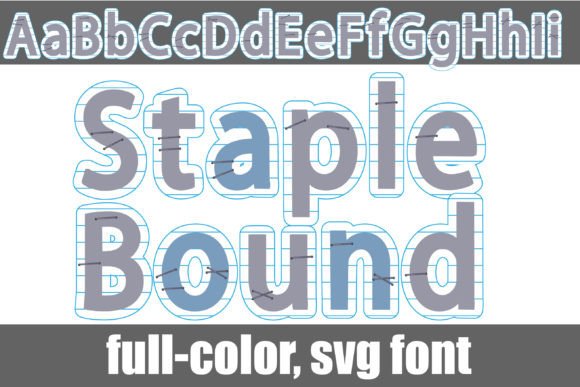
At its core, Staple Bound is a creative font built on a clever concept. It presents a clean, sans serif font style, but the real magic is in the details. The characters are rendered to appear as if they’re printed on lined paper, with subtle horizontal rules running through the text. Woven throughout are graphic elements that look like small, shiny staples, giving the entire typeface a crafted, manual feel. This combination creates an immediate sense of authenticity and hands-on creativity.
This isn't your average premium font for body text. It’s a display font, meaning it’s crafted to be used at larger sizes where its unique details can be fully appreciated. Think of it as a headline specialist. The texture and staple details might get lost at 10-point size in a paragraph, but when scaled up for a title on a poster, a logo, or a social media graphic, it commands attention. It’s the kind of typeface that makes people look twice, wondering how the effect was achieved.
Where to Use a Font Like This
The personality of Staple Bound makes it incredibly versatile for projects that need to feel approachable, creative, or a bit retro. Its strength lies in applications where visual impact trumps dense readability. Here’s where it can really make a difference:
- Brand Identity & Logo Design: For a brand that wants to convey craftsmanship, DIY spirit, or a playful edge, this font is a fantastic starting point. Imagine a logo for a stationery shop, a craft brewery, a indie bookstore, or a creative workshop. The Staple Bound font immediately tells customers what kind of brand they’re dealing with—something personal and made with care.
- Packaging Design: Product labels, hang tags, and box graphics benefit immensely from distinctive typography. Using this font for a product name on packaging for artisan goods, handmade soils, or gourmet snacks can elevate the shelf presence and reinforce the product’s handmade story.
- Marketing & Social Media Graphics: In the endless scroll of a social media feed, a textured, eye-catching font stops the thumb. Use it for Instagram post titles, Pinterest pin graphics, or Facebook ad headlines. It’s also perfect for creating engaging YouTube thumbnails or podcast cover art that needs to pop.
- Print Materials & Merchandise: From event posters and flyers to t-shirt designs and tote bags, Staple Bound adds a layer of visual interest that flat, standard fonts often lack. It’s ideal for music festival posters, zine covers, or merchandise for a creative brand.
- Digital Products & Editorial Layouts: If you’re designing a PDF guide, an online course workbook, or a blog header, this font can set the tone for the entire piece. It works beautifully for chapter titles, pull quotes, and section headers in editorial layouts, giving them a distinct, cohesive look.
Practical Tips for Working with Staple Bound
Integrating a specialty font like this into your workflow requires a little strategy to ensure it enhances, rather than overwhelms, your design. Here’s how to get the most out of it.
Font Pairing is Key
Because Staple Bound has such a strong personality, pairing it with a more neutral typeface is crucial. Let it be the star of your headlines and titles, and use a clean, simple sans serif or serif font for your body copy. A font like Open Sans, Lato, or a classic serif like Georgia can provide excellent contrast and ensure your overall design remains balanced and readable. The goal is to create a visual hierarchy where the decorative font draws the eye, and the supporting font delivers the information clearly.
Consider Your Color Palette
This is a full-color (SVG) font, which is a significant feature. The staples and the lined paper texture are part of the color information embedded in the font file. This means you can access alternate color versions through your system’s character map, giving you flexibility. However, it’s important to test how the colors interact with your background. A high-contrast combination will make the details pop. Also, remember the compatibility note: in programs that don’t support color fonts, it will appear as a standard black font. Always do a test print or export to see the final result in your specific application.
Mind the Context and Readability
While it’s a creative font, always consider the project’s goal. A playful font might be perfect for a children’s party invitation but less suitable for a corporate law firm’s annual report. For body text, even at larger sizes, the staple details could interfere with easy reading. Use it strategically for short, impactful text where style is the primary objective. Always preview your design at the intended size and distance to ensure it communicates effectively.
Installation and Compatibility
As an OpenType full-color (SVG) font, Staple Bound installs just like any other .otf font. Mac users can use FontBook, and Windows users can install it via the Control Panel or a preferred font manager. Compatibility with color fonts is growing. Programs like Adobe Photoshop, Illustrator, InDesign, Silhouette Studio, QuarkXPress, and Inkscape currently support them, allowing you to see and use the full-color versions directly in your canvas. If you’re using other software, you may see the black fallback version, which is still a great textured sans serif on its own.
Making a Memorable Impression
In a world saturated with clean, minimalist typography, choosing a font with built-in texture and personality can be a powerful branding move. Staple Bound isn’t just a set of characters; it’s a design asset that communicates a specific feeling and aesthetic. It bridges the gap between digital precision and handcrafted charm, making it an excellent tool for designers, entrepreneurs, and creators looking to inject some genuine character into their visual communication. By using it thoughtfully in the right contexts and pairing it well, you can create designs that are not only visually engaging but also deeply resonant with your intended audience.